

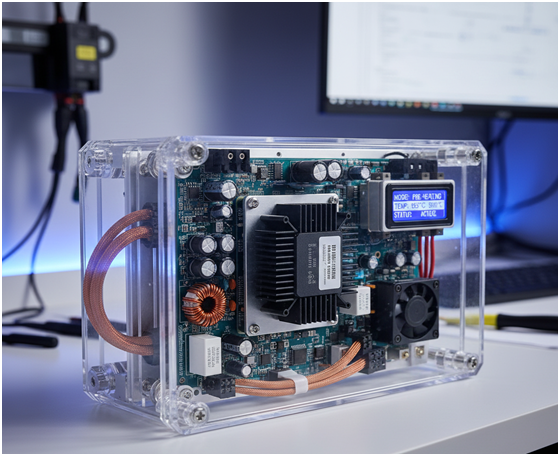
According Research Intelo latest research, the Global Low-Temp SCR Heater Power Electronics market size was valued at $1.45 billion in 2024 and is projected to reach $2.68 billion by 2033, expanding at a robust CAGR of 7.2% during the forecast period of 2024–2033. A major factor propelling this growth is the rising demand for precise thermal management solutions across diverse industries, particularly in advanced manufacturing and process automation sectors.
The integration of sophisticated power electronics with low-temperature silicon-controlled rectifier (SCR) heaters is enabling improved energy efficiency, reliability, and process control, making them indispensable in applications such as semiconductor manufacturing, chemical processing, and food production.
Key Market Drivers
- Industrial Automation & Energy Efficiency Needs
As industries modernize, there’s an uptick in automated production lines requiring reliable low‑temperature heating — for tasks such as pre‑heating, curing, or temperature-sensitive processing. SCR heater electronics offer the precise control required to avoid overheating, reduce energy waste, and optimize process consistency.
- Growing Demand in Sensitive Processing Environments
Sectors such as food processing, pharmaceuticals, electronics manufacturing, and chemical processing demand strict temperature regulation. Low‑temp SCR heater electronics deliver stable, uniform heat, helping maintain product quality and process safety.
- Advances in Semiconductor & Power Module Technology
The transition from traditional resistive heaters to semiconductor‑based systems allows smaller, more efficient heater modules. Use of silicon‑controlled rectifiers (SCRs), power modules, and discrete devices enables fine temperature control with minimal energy loss.
- Regulatory Pressure & Energy Conservation Standards
Global emphasis on energy efficiency and lowering emissions is increasing demand for heating systems that optimize power draw. SCR-based low-temp heaters fit well with these regulations by offering precise power management and reducing waste.
Market Segmentation
By Product Type
- Silicon‑Controlled Rectifiers (SCRs): Dominant segment, favored for robust switching capability and precise power regulation.
- Power Modules & Discrete Devices: Integrated power modules and discrete devices serve more compact or specialized heating systems.
- Emerging Materials (SiC&GaN): Next‑gen semiconductor materials like silicon carbide (SiC) and gallium nitride (GaN) are gaining traction for higher switching speeds and thermal efficiency.
By Application
- Industrial Heating: Largest share — used in manufacturing, processing, ovens, curing, and other temperature‑sensitive operations.
- Automotive & EV Heating / Thermal Management: SCR heater electronics are used for cabin heating, battery thermal management, and component testing in electric vehicles
- Chemical Processing & Power Generation: Precise heating control supports chemical reactions and power generation processes requiring stability.
- Commercial & Residential Heating: Adoption in HVAC systems, underfloor heating, and other low-temperature heating applications is gradually rising.
By End User
- Industrial — dominant due to heavy use of automated and continuous processes.
- Commercial & Residential — growing as energy-efficient heating becomes more mainstream.
Regional Landscape & Dynamics
Asia‑Pacific: Market Leader & Growth Engine
In 2024, Asia‑Pacific held roughly 41% of global market share (~USD 885 million), supported by its expansive industrial base, rapid urbanization, and investments in manufacturing infrastructure.
Emerging economies within the region are pushing demand for modern heating solutions, making Asia‑Pacific the fastest-growing region through 2033.
North America & Europe: Mature and Stable Markets
North America saw a market size of approximately USD 600 million in 2024, driven by technological adoption, stringent energy regulations, and industrial automation. Europe, with about USD 400 million in market size (2024), continues growth thanks to robust manufacturing sectors and sustainability-focused infrastructure investments.
Emerging Regions: Latin America, Middle East & Africa
Gradual industrialization and infrastructure development in these regions are creating opportunities for low-temp heater adoption. As manufacturers seek energy-efficient heating and process control, demand for SCR heater electronics is expected to rise.
Market Restraints & Challenges
While growth prospects are strong, several challenges may impact market expansion:
- High Initial Costs for Advanced SCR Modules: Premium semiconductor-based heater electronics can be costlier than traditional resistive heaters, which may hinder adoption in cost-sensitive sectors.
- Compatibility and Retrofitting Issues: Older machinery and legacy heating systems may not easily integrate SCR-based modules, requiring retrofits or system redesigns.
- Market Awareness & Skilled Workforce Needs: In developing regions, limited awareness about benefits of SCR heater electronics and lack of trained technicians can restrict widespread adoption.
- Competition from Alternative Heating Technologies: Technologies such as PTC heaters, flexible heaters, or induction heating systems may offer alternative solutions depending on application needs.
Future Opportunities & Growth Drivers
Smart Heating & IoT Integration
Integration of digital control systems, IoT-based monitoring, and automation is transforming traditional heater electronics into “smart” systems. Such advances support predictive maintenance, remote monitoring, and energy management — highly desirable in modern industrial and commercial settings.
Electrification & EV Thermal Management
As electric vehicle (EV) adoption accelerates, the demand for compact, efficient, low-temp heating systems rises. SCR-based heater electronics can play a role in battery conditioning, cabin heating, and thermal management systems inside EVs — driving new growth streams.
Expansion into Specialty Industries
Industries such as pharmaceuticals, biotechnology, food processing, and electronics manufacturing — which require precise temperature control — represent high-potential segments for growth. Customized SCR heater solutions that meet strict regulatory and process needs are increasingly relevant.
Demand for Energy Efficiency and Sustainability
With rising global emphasis on energy conservation and carbon footprint reduction, SCR-based heaters — known for power efficiency and precise control — offer appealing advantages over conventional heating systems. This trend augurs well for long-term market growth.
Market Trends Shaping the Landscape
- Shift toward advanced semiconductor materials: Use of SiC, GaN, and high-efficiency power modules improves thermal stability and reduces losses.
- Modular and compact heating designs: Manufacturers are focusing on compact, easy-to-integrate modules for retrofits and new installations.
- Digital controls and automation integration: Smart heating systems with digital control, remote monitoring, and integration with factory automation platforms are becoming standard.
- Cross-sector adoption: Beyond industrial use, adoption in residential, commercial, automotive, and niche applications is expanding as awareness grows.
Source:https://researchintelo.com/report/low-temp-scr-heater-power-electronics-market