


High-density power modules enable60 second defrosting time using 20x less energy
Traditional approaches to defrosting icy windshields channel ample waste heat generated by internal combustion engines (ICE) to the windshield. This inefficiently distributes heat unevenly across the windshield surface. As more electric vehicles take to the road, their battery-powered in-cabin climate systems imitate these crude defrosting techniques. Additionally, because EV cabins are sealed tighter for noise reduction, interior fogging a bigger problem.EVs therefore need to re-think their approach to de-icing measures since traditional HVAC methods of windshield defrosting are inefficient and ineffective as freezing temperatures can also ice over windshields quickly while on the road, dangerously obscuring visibility.
Better frost Technology has developed breakthrough technologies to solve the defrosting problem.Using proprietary algorithms and high-density power conversion modules to deliver pulsed power,car and truck windows can be defrosted in 60 seconds using20xless energy than existing HVAC defrost systems
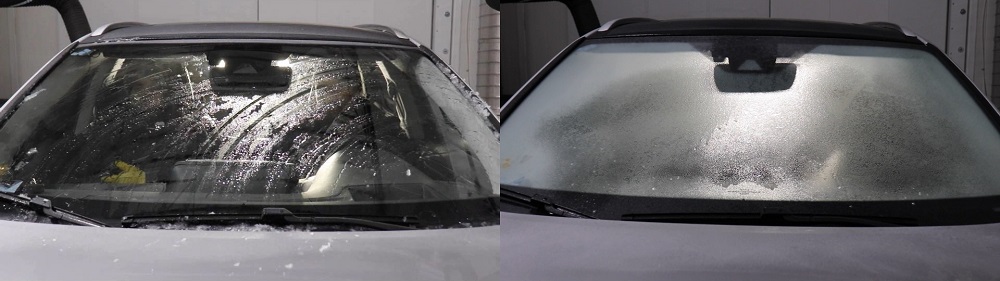
Figure 1The breakthrough Better frost technology leverages pulsed power and high-density power modules to melt ice on automobile glass in less than 60 seconds while using 20x less energy. (Download high res image)
More importantly, as passenger cars and commercial trucks transition to electric powertrains,that “free” heat byproduct disappears, leaving EVs to draw energy from the main battery to defrost and defog – depleting the power that also provides propulsion.
Better frost technologies short-circuit conventional defrost methods
Launched in 2015 out of Dartmouth College’s Ice, Climate and Environment (ICE) Lab, Betterfrost Technology is built on a breakthrough discovery: ice doesn’t need be completely melted to be removed from the windshield; it’s enough toweaken the bond between ice and glass at the “interfacial layer.”
To do this, Betterfrost sends short, controlled pulses of power through the glass surface, which creates a thin quasi-liquid layer beneath the ice that causes it to release instantly from the windshield without heating the entire surface.
Proprietary power algorithm deliver breakthrough performance
Many windshields and glass roofs use low-emissivity (low-E) conductive coatings, like silver or indium tin oxide, and these serve as the electrical pathway for the proprietary Better frost power control algorithms that can defrost an ice-covered windshield in less than a minute compared to roughly25 minutes for traditional HVAC systems –using about 95 percent less energy than internal combustion vehicles.The technique applies heat evenly across the surface, reducing stress on the glass that can cause cracking. It also lowers cabin heating demands by up to 27% at −20°C, directly extending EV range.
The elimination of noisy blower motors and bulky air ducts improves passenger comfort and frees up valuable space that automotive engineers can reclaim for other uses.
Better frost technology is well suited for other industries, too. It can replace costly glycol spray used to defrostairplane wings, eliminate dangerous ice build-up on wind turbine blades, and lower cold storage refrigeration costs by enabling more energy-efficient defrost cycles.
Compact, high-density converter modules deliver precision 48V power to the glass
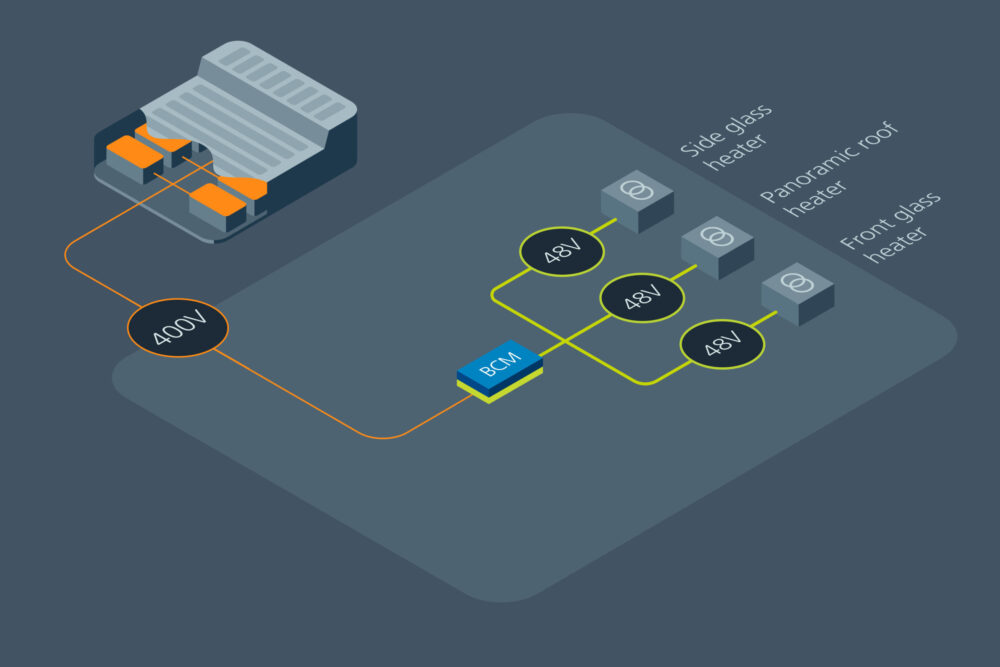
A critical piece of the Betterfrost solution is a 48V-centric power delivery network. For this they rely on power-dense, automotive-qualified 800V- and 400V-to-48V fixed-ratio Vicor BCM® bus converters to deliver safe and efficient high-speed pulses to glass surfaces.
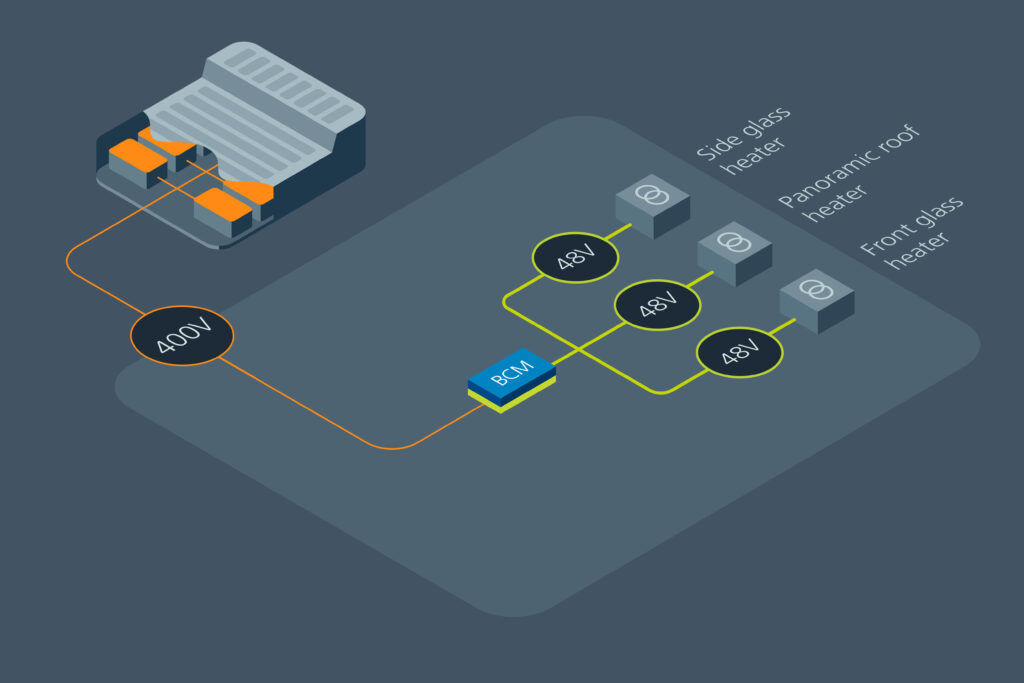
Figure 2The Vicor BCM functions as a DC-DC transformer.A fixed-ratio converter reacts to power changes at a rate of 80 A/s.Better frost uses pulsed energy to melt a very thin interfacialice layer in less than a minute (its record is 42 seconds) compared to 25 minutes for traditional HVAC systems.This technology uses a proprietary algorithm to melt the ice in uniform manner and while consuming 20xless energy than the legacy approach.(download high res image)
The Vicor BCM6135 delivers industry-leading power density of at 3.4kW/in3 and functions as a DC-DC transformer, where the voltage applied to the high-voltage input is transformed to the low-voltage side according to the module’s conversion ratio, or K factor. For example, with a K of 1/16 and an 800V input, the output voltage is50V.
Vicor BCM modules meet strict creepage and clearance standards in a compact footprint that isup to 90% smaller than conventional DC-DC converters.
“Vicor makes 48V power delivery easy to derive without excessive size or weight limitations,” said Betterfrost CEO and automotive industry veteran, Derrick Redding. “Nobody else does what they do at that level of efficiency and power density.”
Tailwinds projected for the road ahead
Better frost is actively engaging automakers, Tier 1 suppliers and fleet operators, engaging with early adopters in commercial trucks and premium EVs. Over the next three to five years, the company expects to expand automotive deployment in EV and hybrid platforms.From a laboratory insight to an automotive disruptor, Betterfrost is building out its ecosystem with partners like Vicor to redefine how vehicles handle one of winter’s most common and hazardous problems.